Showing posts with label Fuego. Show all posts

Tuesday, October 9, 2012

Guatemala's Traditions

A Procession during Semana Santa in Antigua


Guatemala is one of the world's major cultural destinations, offering one of the most popular processional traditions which are original, authentic and unique in Latin America. From the pre-Hispanic indigenous cultural heritage and traditions followed by the colonial conquistadors to contemporary times,  all of these traditions are fused in this marvelous land full of contrasts.

The most traditional cultural events in Guatemala are:

- Semana Santa or Holy Week, is celebrated each year between March and April and is a religious tradition that was started in 1543, when the Spanish moved the Holy Sacrament of Old City to Santiago de Guatemala, which was the capital of Guatemala, which today is known as Antigua Guatemala. The biggest attraction of Easter are handmade carpets with beautiful designs made of seeds, dust, flowers and colorful processions with marching bands.


- The Palo Volador is held every December 21 in different parts of Guatemala. In Joyabaj, Quiche it is held on August 15. The flying pole dance is a pre-hispanic tradition that remained intact during colonization. The stick is made of a tree, in which is placed at the top of a structure designed to be rotatable. Two ropes are wound which two of the "flying" are attached and begin to rotate so until they descend to the ground. After each of the dancers is dressed in overalls and funny movements of a dance to marimba gourds.


-La Carrera de Caballos Todos Santos Cuchumatán is a traditional horse race at an annual fair in Cuchumatán, which begins October 23 and ends on November 3. They organize various cultural activities in this municipality and is visited by domestic and foreign tourists. 


- Los Barriletes de Santiago Sacatepéquez is a fun tradition, held every November 1 in Santiago and in Zacatepequez Sumpango. This is a festival that involves giant kites that soar to the sky with messages to ancestors, and thus commemorating the Day of the Dead. These giant and decorative kites are designed by locals with great care and artistry.


-La Qema del Diablo, or The Burning of the Devil, is an exciting tradition held every December 7th throughout the country. Market stalls begin selling papier–mâché devils a week before. The tradition of burning the devil began in colonial times. In anticipation of the feast of the Immaculate Conception, the patron of Guatemala City, those who could afford it adorned the fronts of their houses with lanterns. Eventually, the poor who could not afford such lanterns began gathering their garbage and would burn all of the year's rubbish in front of their houses. Over time it was formalized and in addition to individual piles of garbage, communities started to burn The Devil to clear the way for Mary's feast.
The idea is to burn all of the bad from the previous year and to start anew from the ashes. In cities throughout the country The Devil is burned at the stroke of six. In Ciudad Vieja, the first capital of the country, a devil three stories tall is constructed and burned in the city square. 

http://youtu.be/ZBH4OqLSBw8


This is by no means an exhaustive list of Guatemala's traditions as there are so many throughout the country, but it does illustrate just how culturally rich and exciting Guatemala is. Every tradition is meaningful whether it is pre-hispanic, established by the Indigenous or a tradition that came from the Spanish Conquistadors. Either way, we are left with lots of excitement.

Friday, September 14, 2012

Beauty and Ashes

Fuego Volcano-Tuesday September 11, 2012

Tuesday September 11th I witnessed Volcán Fuego, an active volcano roughly 10 miles from Antigua, begin spewing dark smoke in the early morning. It is usually no surprise since smoke is frequently released, but the dark grey color was ominous of a much bigger eruption.

Fuego Volcano, view from Ciudad Vieja, September 13, 2012


Thursday morning September 13, 2012 social media is in a frenzy with photos of a huge eruption caused by the Fire Volcano in Guatemala. It was a beautiful sight from Antigua, Ciudad Vieja, and Escuintla but a frightening reality for the villages closest to the volcano. CONRED, known as Coordinadora Nacional para la Reducción de Desastres (the National Coordinator for the Reduction of Disasters) had declared an orange alert, which means dangerous conditions. According to the Prensa Libre, roughly 33,000 residents were evacuated from the following villages:

Sangre de Cristo, Panimaché
Morelia, Panimaché
El Porvenir, Escuintla
San Juan Alotenango, Sacatepéquez
San Pedro Yepocapa, Chimaltenango

The volcano ejected ash 3,000 meters from the crater with ash and lava that flowed southwest and east, covering about 500 meters.

Social network users indicated that the ash had reached Santiago Atitlan and San Lucas Toliman, Solola, Santa Lucia Cotzumalguapa, Escuintla, Mazatenango, Suchitepéquez, Retalhuleu and Quetzaltenango. 

According to CNN, the Red Cross set up ten shelters each able to house some 200 people which were opened in the affected villages. CONRED prepared shelters in Escuintla, Santa Lucia and San Pedro Yepocapa Cotzumalguapa, Chimaltenango. The evacuees also received aide from the Red Cross.

Right out of my front door was the Fuego Volcano. The only difference between me and the 33,000 who were evacuated was the direction of the wind. It blew away from me even though there was a faint smell of smoke. Each time I drove through San Juan Alotenango to go through Escuintla, I passed the small villages nestled at the foot of the Fuego Volcano. Homes with tin roofs and peasant families. I wondered to myself, if I had to be evacuated, where would I go? And what would life be like if my humble home was damaged by fiery rocks? Then came to mind all the people who had to evacuate in a rush. Families with small children, the elderly, pregnant women. Would the eruption affect their farms, hurting them financially? The health of their animals which they use to feed themselves with? Some of the men stayed behind in the villages to make sure their properties were not damaged. Did they inhale any ash or toxic gases? 

According to http://volcanoes.usgs.gov/ash/health/ there are serious side effects from a volcanic eruption. Heavy ash fall may result in the collapse of roofs under the weight of ash and high levels of respirable ash in the air (ash particles less than 10 microns in diameter). The collapse of roofs can be deadly for people within buildings. Ash and coarser particles inhaled from within a hot, dense pyroclastic flow or surge almost always results in death from burns or asphyxiation. People exposed to ash fall and subsequent ash-filled air commonly experience various eye, nose, and throat symptoms.

Due to 54% of the population being below the poverty line according to the CIA Factbook, many families cannot afford to see a doctor or pay for medical treatments. 

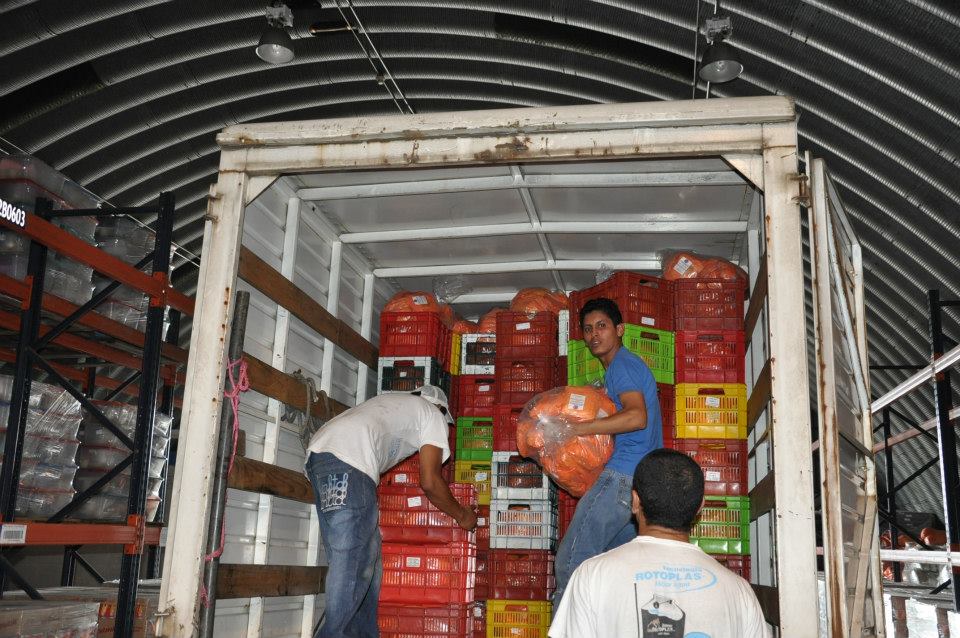
The following photos are courtesy of CONRED and feature the evacuated at shelters & humanitarian aide that was provided:


http://youtu.be/ujnHBDk_GUI